Top 5 Interior Design Trends to Watch in 2024 As...
Read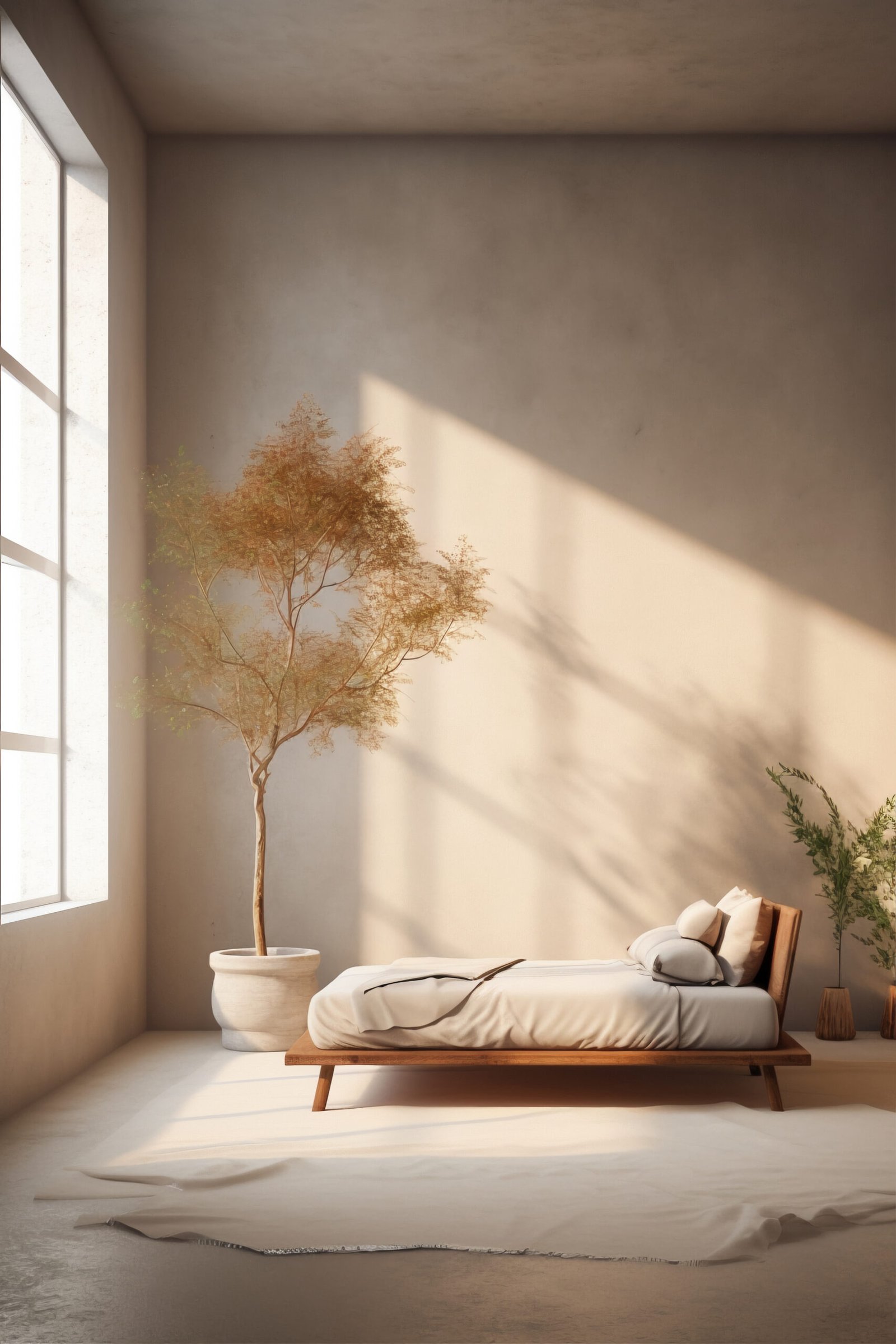


In today’s fast-paced urban world, people are craving a deeper connection with nature. This need has given rise to biophilic design, an approach that integrates natural elements into indoor spaces to enhance well-being, productivity, and overall happiness. More than just a design trend, biophilic design is reshaping the way we interact with our surroundings by bringing nature closer to our everyday lives.
In today’s fast-paced urban world, people are craving a deeper connection with nature. This need has given rise to biophilic design, an approach that integrates natural elements into indoor spaces to enhance well-being, productivity, and overall happiness. More than just a design trend, biophilic design is reshaping the way we interact with our surroundings by bringing nature closer to our everyday lives.
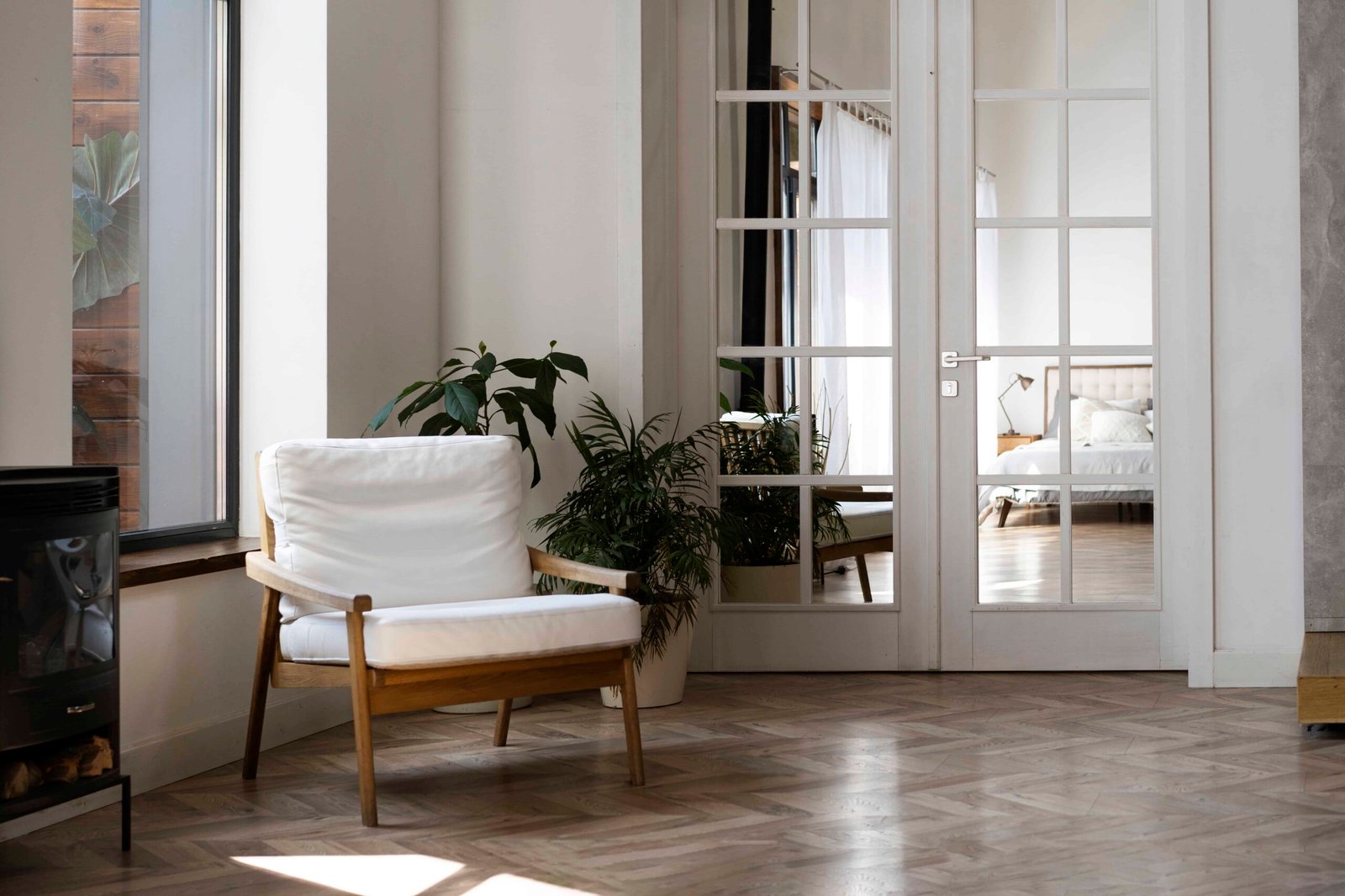
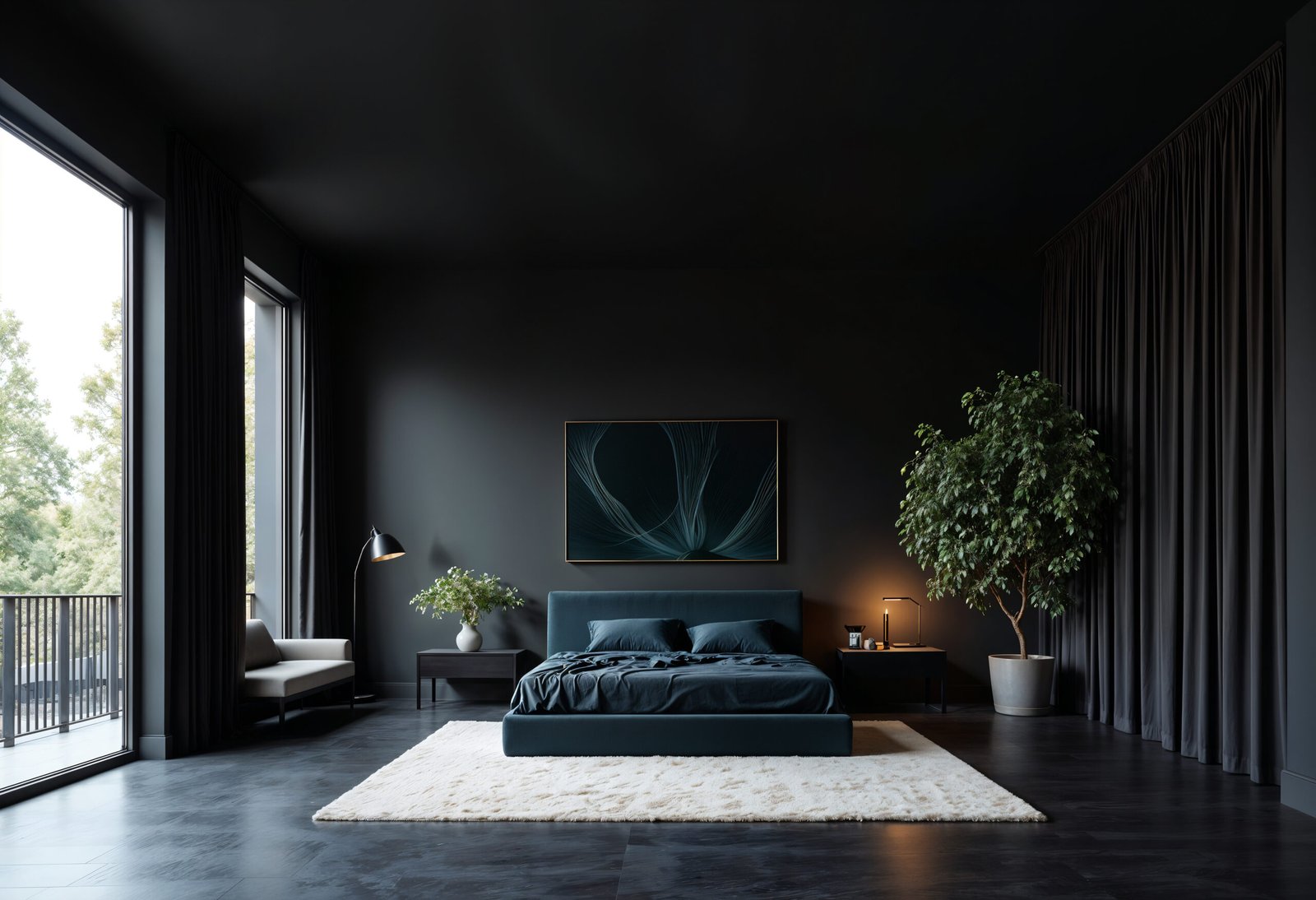
Biophilic design is based on the concept that humans have an inherent connection to nature. By incorporating natural materials, greenery, and organic patterns into indoor environments, this design philosophy aims to create spaces that promote relaxation and mental clarity. From homes to offices, hotels to healthcare centers, biophilic design is proving to be a game-changer in modern architecture and interior design. Maximizing natural light is a core principle of biophilic design. Large windows, skylights, and open spaces allow sunlight to flood interiors, creating a sense of warmth and openness. Proper ventilation and air circulation further enhance the indoor environment, mimicking the freshness of outdoor spaces. Plants play a crucial role in biophilic design. From small potted plants to expansive green walls, incorporating vegetation helps purify the air, reduce stress, and boost creativity. Living walls, also known as vertical gardens, are becoming a popular feature in both residential and commercial spaces, adding visual appeal while improving indoor air quality.
Using materials like wood, stone, bamboo, and rattan creates a tactile connection to nature. These elements not only add warmth and texture to interiors but also promote sustainability by reducing reliance on synthetic materials. Reclaimed wood furniture, stone countertops, and woven textiles are common choices in biophilic design. The presence of water, whether through indoor fountains, aquariums, or reflecting pools, enhances tranquility and fosters a soothing atmosphere. Additionally, incorporating organic shapes and patterns, such as curved furniture, asymmetrical layouts, and nature-inspired motifs, strengthens the natural aesthetic of a space.
Numerous studies have highlighted the positive impact of biophilic design on human well-being. Exposure to natural elements indoors has been linked to reduced stress levels, improved mood, increased focus, and better overall health. In workplaces, biophilic design has been shown to enhance productivity and creativity, while in homes, it fosters a sense of calm and comfort. Bringing biophilic design into your own space doesn’t require a major renovation. Simple changes like incorporating more houseplants, maximizing natural light, using earthy color palettes, and choosing sustainable materials can create a healthier and more inviting environment. Even small touches, such as nature-inspired artwork or wooden furniture, can make a significant difference.
As the demand for sustainable and wellness-focused spaces grows, biophilic design is expected to become an essential part of architecture and interior design. Whether in homes, offices, or public spaces, integrating nature into built environments will continue to shape the way we live and work. By embracing biophilic design, we can reconnect with nature, improve our well-being, and create spaces that are not only aesthetically pleasing but also enriching to the mind and soul.
Modern Chair
XXXX LKR
Modern Chair
XXXX LKR
Modern Chair
XXXX LKR
Modern Chair
XXXX LKR